Artisan bread rewards careful fermentation and thorough mixing, but hand-kneading large batches can be tiring and inconsistent. The right dough kneading machine can simplify bread, pizza, pasta, and sourdough preparation while giving you more control over batch size and timing.
These 10 models range from compact household mixers to larger-capacity machines with dedicated fermentation functions. Use the guide below to compare capacity, controls, bowl design, and everyday practicality before choosing the best fit for your baking routine.
Best 10 Dough Kneading Machines for Artisan Baking Picks for 2026
Best All-in-One Fermentation Pick

- 6.5-quart 304 stainless steel bowl
- Built-in 77–95°F fermentation
- Kneading timer and removable lid
Best For: Home bakers who want integrated kneading and proofing
Best Commercial-Style Option
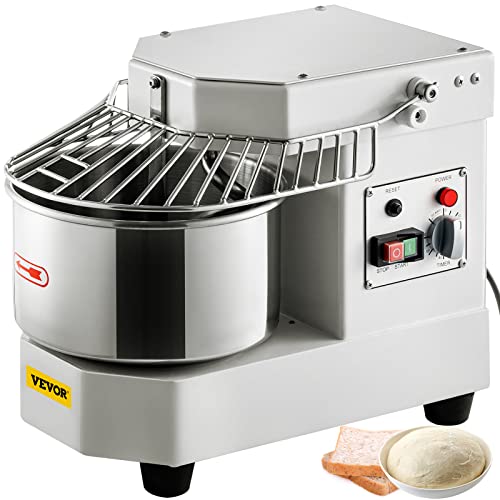
- Handles up to 6.6 pounds of dough
- Dual-rotation mixing system
- 60-minute timer and safety shield
Best For: Large batches and frequent bread or pizza production
Best Programmable Home Baker Pick

- Gentle and Strong kneading modes
- 360° heating with seasonal proofing
- Whisk and filling-mix functions
Best For: Family kitchens wanting programmable dough and proofing controls
Best Versatile Traditional Stand Mixer
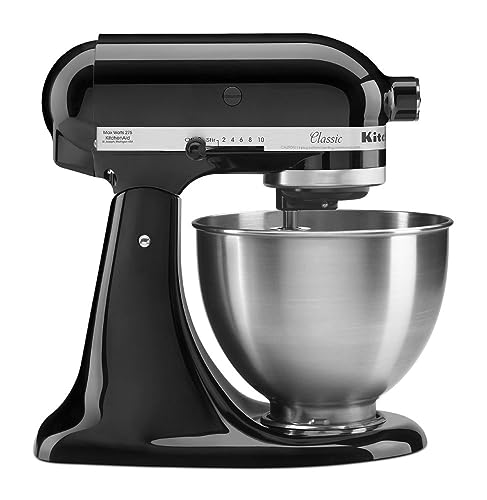
- Durable metal construction
- 10 speeds and included dough hook
- Optional attachment ecosystem
Best For: Bakers wanting one mixer for dough and general kitchen tasks
Large-Batch Fermentation Pick

- 9.5-quart capacity for substantial batches
- Four modes plus adjustable timers
- Winter and Summer fermentation settings
Best For: Large households and versatile year-round baking
Hand-Knead Simulation Choice

- Mix-pause-mix kneading program
- 77–100°F fermentation range
- 304 stainless-steel family-size bowl
Best For: Home bakers seeking elastic dough and built-in proofing
Best Dough-Focused Pick

- Purpose-built for bread, pizza, pasta, and sourdough dough
- Kneads up to 1.4 kg in a 304 stainless steel bowl
- Includes timer and 100°F fermentation function
Best For: Beginners and families wanting hands-free dough preparation
Best Large-Batch Smart Option
DoughChief 7.4-Quart Fermenting Mixer
- Large 7.4-quart 304 stainless steel bowl
- Mix-pause-mix program supports dough development
- Touch controls and 77–100°F fermentation mode
Best For: Families and frequent bakers making larger dough batches
Best All-in-One Fermentation Pick – 6.5-Quart Dough Mixer
For bakers looking for dough kneading machines for artisan baking, this 6.5-quart model combines kneading and temperature-controlled fermentation in one countertop appliance. Its stainless steel bowl, S-shaped blade, timer, and removable lid make it suited to pizza, bread, pasta, and enriched dough projects.
Best For: Home bakers who want a large-capacity mixer with an integrated proofing function.
Pros:
- 6.5-quart 304 stainless steel bowl is recommended for 300 to 1,400 grams of dough.
- Built-in fermentation maintains approximately 77–95°F (25–38°C).
- Removable blade and lid, suction-cup feet, and mechanical knob controls support practical everyday use.
- Includes a 3-year repair promise and lifetime technical support according to the supplied notes.
Cons:
- The bowl is not recommended for dishwasher cleaning.
- Fermentation requires yeast or baking powder.
- The notes do not specify multiple kneading speeds.
This is a particularly convenient choice when proofing is as important as mixing. Its generous capacity and steady temperature control reduce the need for separate bowls or improvised warm spots, while the intermittent operation is designed to limit excess heat during kneading.
Best Commercial-Style Option – VEVOR 8.5-Quart Spiral Mixer
Among dough kneading machines for artisan baking, the VEVOR spiral mixer stands out for its commercial-style construction and dual-rotation system. Its 8-liter bowl, 450-watt motor, and timed controls are aimed at larger dough batches and frequent mixing.
Best For: Serious home bakers, small food businesses, and kitchens that regularly prepare up to 6.6 pounds of dough.
Pros:
- Mixes up to 3 kilograms or 6.6 pounds of dough in its 8-liter bowl.
- Dual rotation uses a 21 RPM bowl and 159 RPM hook to promote even mixing.
- 60-minute timer, nonslip feet, and a protective safety shield add convenience and stability.
- Food-contact bowl, hook, and rod are made from food-grade stainless steel.
Cons:
- At 81.6 pounds, it is substantially less portable than typical home stand mixers.
- It has one listed speed rather than a range of adjustable speeds.
- The supplied noise rating is 70 dB.
This model makes the most sense when batch size and dough consistency take priority over compact storage. The dual-rotation design and commercial-oriented safety features are useful for pizza, bread, and food-preparation work, though its heavy footprint suits a dedicated workspace.
Best Programmable Home Baker Pick – Joydeem 7.4-Quart Dough Maker
For flexible dough kneading machines for artisan baking, the Joydeem electric dough maker offers separate gentle and strong kneading modes, adjustable speeds, and automatic knead-to-proof operation. Its 360° heating system is designed to provide more even fermentation for bread, pizza, sourdough, dumpling, and noodle doughs.
Best For: Family bakers who want programmable kneading, seasonal proofing settings, and extra mixing functions.
Pros:
- 7.4-quart bowl supports approximately 600–2,200 grams of flour, with up to 1,600 grams recommended for fermentation.
- Gentle and Strong modes, four speed levels, and kneading times from 5 to 30 minutes provide recipe flexibility.
- Automatic Knead + Proof workflow and adjustable fermentation times from 5 to 120 minutes reduce manual steps.
- Whisk and filling-mix functions expand its use beyond dough preparation.
Cons:
- The 230-watt motor is lower powered than the 450-watt VEVOR model in this roundup.
- Egg whipping calls for at least 350 grams of egg whites, according to the supplied notes.
- The included accessory list is extensive, but the notes specifically identify only the dough blade in the component details.
Joydeem is a strong match for bakers who value control rather than simple on-and-off operation. The programmable proofing modes and automatic transition are especially useful for repeatable recipes, while the additional whisk and filling functions make it more versatile for everyday cooking.
Best Versatile Traditional Stand Mixer – KitchenAid Classic 4.5-Quart
While it is not a dedicated proofing machine, the KitchenAid Classic remains a practical contender among dough kneading machines for artisan baking when you also want a general-purpose stand mixer. Its 4.5-quart bowl, coated dough hook, 10 speeds, and tilt-head design support bread dough alongside cookies, whipped mixtures, and other recipes.
Best For: Bakers who want a compact, established stand mixer for moderate dough batches and broad kitchen use.
Pros:
- Durable metal construction and 4.5-quart stainless steel bowl.
- Ten speeds cover gentle stirring through high-speed whipping.
- Includes a coated dough hook, flat beater, and 6-wire whip.
- Compatible with more than 10 optional attachments for tasks such as pasta making and food preparation.
Cons:
- Its 4.5-quart capacity is smaller than the dedicated dough makers listed here.
- There is no integrated fermentation function.
- Optional attachments are sold separately.
The KitchenAid is the most versatile choice in this group, but it requires a separate method for proofing dough. Choose it when baking is only one part of your kitchen routine and adjustable speeds, included attachments, and a familiar tilt-head format matter more than maximum dough capacity.
Smart Batch Helper – Joydeem 7.4Qt Dough Maker
For bakers comparing dough kneading machines for artisan baking, the Joydeem JD-HMJ7L combines preset controls with intermittent kneading and fermentation. Its 6.6-quart capacity, 250-watt motor, and stainless-steel bowl suit bread, pizza, buns, and dumplings.
Best For: Home bakers who want timed kneading and proofing with minimal hands-on work.
Pros:
- Preset programs can complete kneading in about 15 minutes or kneading and proofing in about 45 minutes.
- Intermittent kneading simulates a more manual dough-making process.
- Stainless-steel bowl and dough blade are dishwasher safe; the lid is removable for cleaning.
- Touch controls, suction cups, and a weighted body support convenient, stable operation.
Cons:
- Only one speed is listed, with no speed adjustment.
- The base is not dishwasher safe.
- Its listed noise level is 70 dB.
The JD-HMJ7L is a practical option when scheduled fermentation and straightforward operation matter more than extensive speed control. Its family-size bowl and compact vertical layout make it useful for regular everyday batches.
Large-Batch Fermentation Pick – Joydeem 9.5Qt Dough Maker
Among dough kneading machines for artisan baking, this 9.5-quart Joydeem model stands out for its large capacity, adjustable timing, and seasonal fermentation modes. Its 300-watt motor handles dough for bread, pizza, sourdough, roti, dumplings, and steamed buns.
Best For: Larger households and bakers making substantial dough batches or varied fillings.
Pros:
- Handles flour weights from 900 to 2,800 grams, with up to 2,500 grams recommended for fermented dough.
- Offers Mix, Ferment, Mix + Ferment, and Blend modes.
- Mixing time adjusts from 5 to 30 minutes, while fermentation time adjusts from 5 to 120 minutes.
- Winter and Summer fermentation modes provide temperature ranges for different environments.
Cons:
- The larger 12.9-by-12.2-by-13.8-inch footprint requires more counter space.
- Its 9.5-quart capacity may be excessive for small, occasional batches.
- The available information does not list dishwasher-safe components.
This model is the most flexible choice of the three for batch size and fermentation scheduling. The separate Blend mode also adds utility for fillings, while the suction-cup base helps keep the vertical machine stable.
Hand-Knead Simulation Choice – AIZIYO DoughChief 7.4Qt
The AIZIYO DoughChief is one of the more focused dough kneading machines for artisan baking, using a mix-pause-mix program to imitate hand kneading. It pairs a 7.4-quart 304 stainless-steel bowl with a constant-temperature fermentation mode for bread, pizza, pasta, and mochi dough.
Best For: Home bakers who prioritize elastic dough and built-in proofing for family-size batches.
Pros:
- The intermittent program is designed to develop softer, chewier, and more elastic dough without continuous mixing.
- Fermentation mode maintains a listed range of 77–100°F for proofing and yeast activation.
- The 7.4-quart 304 stainless-steel bowl accommodates multiple loaves or a large pizza dough batch.
- Removable lid and detachable blade simplify ingredient additions and cleanup.
Cons:
- The fermentation function requires yeast or fermentation powder.
- Only one speed is listed.
- The 250-watt motor may offer less power than the 300-watt Joydeem model.
The DoughChief is a strong fit for bakers who want a more hand-kneaded texture without manually working the dough. Its proofing function and stainless-steel construction make it a convenient everyday bread and pizza companion.
Best Dough-Focused Pick – 5.3-Quart Timed Dough Kneader
For home bakers comparing dough kneading machines for artisan baking, this model is built specifically for dough rather than general-purpose mixing. Its S-shaped stainless steel blade, timer, and fermentation function are aimed at hands-free bread, pizza, pasta, and sourdough preparation.
Best For: Home bakers and beginners making family-size batches who want automated kneading and built-in fermentation.
Pros:
- Designed specifically for dough and supports bread, pizza, pasta, and sourdough recipes.
- 5.3-quart 304 stainless steel bowl handles up to 1.4 kg of dough.
- Timer and fermentation function can heat dough to 100°F for more consistent proofing.
- Low-speed, high-torque operation is designed for quieter, steadier kneading.
Cons:
- Its 150-watt motor and single dough-focused setup may be less versatile than a multi-speed stand mixer.
- The 1.4 kg dough limit may not suit very large batch baking.
- Controls use a knob rather than a digital touch interface.
This is a practical choice when consistent kneading and fermentation matter more than broad mixer versatility. The stainless bowl and hands-free operation make it especially approachable for everyday home baking.
Best Large-Batch Smart Option – DoughChief 7.4-Quart Fermenting Mixer
Among dough kneading machines for artisan baking, the AIZIYO DoughChief stands out for its larger bowl, touch controls, and combined mixing and fermenting programs. Its mix-pause-mix sequence is intended to imitate hand kneading while supporting bread, pizza, and pasta dough.
Best For: Families and frequent home bakers who want a large-capacity machine with touch controls and controlled proofing.
Pros:
- 7.4-quart 304 stainless steel bowl provides more capacity for family baking.
- Mix, pause, and mix programming helps fold and stretch dough for smoother texture.
- Fermentation mode maintains a stated 77–100°F range for more consistent proofing.
- Wide top opening allows ingredient adjustments while the machine runs.
Cons:
- It has one listed speed, limiting control compared with variable-speed mixers.
- The stated noise level is 75 dB, so it may not be especially quiet in use.
- Fermentation requires yeast or fermentation powder.
The DoughChief is a strong fit for larger batches and simplified workflow. Its touch panel and ingredient opening add convenience, while the ferment function reduces the need for a separate proofing setup.
Best Convenient Large-Capacity Pick – 7.4-Quart Dough Mixer
For shoppers evaluating dough kneading machines for artisan baking, this 7.4-quart dough maker combines large capacity with constant-temperature fermentation and a small top window. It is designed for bread and pizza dough, with an intermittent kneading approach intended to help limit overheating and premature rising.
Best For: Large households and bakers who want to add water or seasoning without stopping the machine.
Pros:
- 7.4-quart capacity is suited to large families and multiple batches.
- Constant-temperature fermentation supports more consistent dough rising.
- Top window allows water, seasoning, or other ingredients to be added during mixing.
- Includes digital display, time setting, and automatic shutoff features.
Cons:
- Only one speed is listed, offering limited mixing adjustment.
- The product is relatively large, so it requires suitable counter space.
- The included accessories and listing details may be more relevant to general kitchen preparation than artisan dough work.
This model emphasizes capacity and convenient mid-cycle adjustments. It makes the most sense for bakers who prepare substantial quantities and value integrated fermentation over extensive speed control.
How We Picked the Best Dough Kneading Machines for Artisan Baking
We focused on the features that matter most when mixing high-hydration dough, enriched dough, pizza dough, and sourdough at home. The selection includes machines with capacities from roughly 4.5 to 9.5 quarts, plus models offering timers, fermentation functions, stainless-steel bowls, touch controls, and multiple mixing modes.
We also considered practical differences between traditional tilt-head stand mixers and purpose-built dough makers. A large bowl does not automatically mean a better machine, so capacity was weighed alongside counter space, controls, cleanup, batch flexibility, and suitability for repeated kneading.
Quick Comparison
| Best For | What to Prioritize | Typical Choice |
|---|---|---|
| Small households | Compact footprint and manageable minimum batches | 4.5- to 5.3-quart mixer |
| Frequent bread baking | Dedicated dough program, timer, and sturdy bowl | 6.5- to 7.4-quart dough maker |
| Large batches | Higher capacity, stable base, and stronger motor | 8.5- to 9.5-quart mixer |
| Hands-off fermentation | Temperature or fermentation controls and a covered bowl | Dough maker with ferment function |
Key Buying Factors for Dough Kneading Machines for Artisan Baking
Capacity and Dough Limits
Check the manufacturer’s recommended dough weight rather than judging capacity by quart size alone. A larger bowl is useful for multiple loaves, but very small batches may mix poorly if the attachment cannot reach the ingredients effectively. Match the machine to your usual recipe size and leave room for dough expansion.
Kneading Performance and Controls
Look for a dedicated dough setting, multiple speed levels, or automatic programs that prevent overmixing. Timers are useful for repeatable recipes, while pulse or low-speed controls help incorporate flour without creating a cloud of dust. For stiff dough, a stable body and effective torque matter more than a high advertised wattage.
Fermentation Features
Built-in fermentation can help maintain a more consistent environment, especially in cool kitchens. It should complement—not replace—your recipe’s visual cues. If you already use a proofing box or warm oven, a simpler mixer may offer better value.
Bowl, Attachments, and Cleanup
Stainless-steel bowls are durable and easy to wipe clean. Confirm whether the lid, dough hook, whisk, and other accessories are removable and dishwasher-safe. A covered bowl can reduce splashes and help with proofing, but it may add parts that require extra cleaning.
Footprint, Noise, and Support
Measure your counter and storage space before buying. Large-capacity machines can be heavy and noisy during kneading. Also check warranty coverage, replacement attachments, customer support, and the availability of compatible parts.
Who Should Buy Which Dough Kneading Machines for Artisan Baking?
Choose a compact stand mixer if you bake occasional small batches and want one appliance for cakes, whipped cream, and dough. Choose a dedicated 6.5- to 7.4-quart dough maker if bread and pizza are regular parts of your routine and fermentation automation appeals to you. A 9.5-quart or commercial-style model makes more sense for family-sized batches, frequent entertaining, or small-scale production—but only if you have adequate storage and counter space.
For the best match, prioritize your normal dough weight, preferred fermentation method, and cleaning tolerance first. Features such as touch panels, dual mixing modes, and programmable timing are helpful, but reliable kneading and a stable design should remain the deciding factors.