Running an RV air conditioner from solar power takes more than a big battery. You need enough inverter output, enough storage, and a system that can handle startup surge without shutting down.
This roundup focuses on practical options for campers who want quieter, cleaner off-grid cooling support and a smarter way to match a solar generator for RV air conditioner needs.
Best 10 Solar Generator for RV Air Conditioner Picks for 2026
Compact 3kWh RV Backup
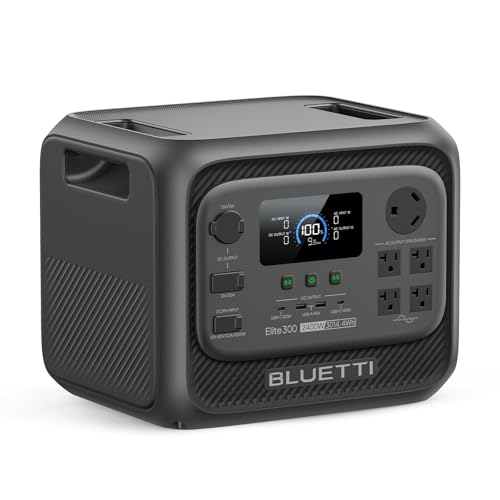
- 3014Wh LiFePO4 battery with 2400W output
- TT-30 RV port and 12V/30A DC output
- 10ms UPS plus AC, solar, and car charging
Best For: RV travelers who want compact backup power with RV-ready connections
Quiet Low-Amp Cooler

- 13,500 BTU cooling with low amp draw
- 59.7 dB quiet operation with remote control
- Works with ducted and non-ducted RV layouts
Best For: RV owners who want a quieter cooling-only rooftop AC
High-Capacity Solar Backup

- 3600W output with 3072Wh LiFePO4 battery
- Expand capacity up to 10752Wh
- Fast AC charging and 13 total ports
Best For: Users who need a high-output power station for RV and home backup
4-Season RV Climate Control

- 15,000 BTU cooling with built-in heat pump
- Low amp draw and 55.4 dB quiet operation
- Remote control and LED touch display
Best For: RV buyers who want cooling and supplemental heat in one rooftop unit
High-Capacity RV Backup
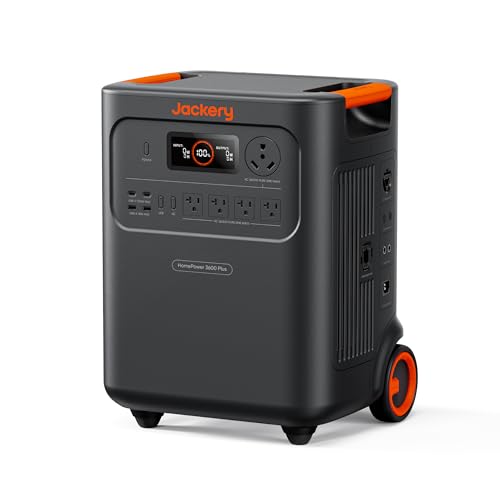
- 3,600W AC output for heavy RV loads
- 3,584Wh capacity expandable up to 21kWh
- Fast 0–100% recharge in as little as 2 hours
Best For: RV owners needing high-capacity backup for air conditioner use and more
Battery-Friendly RV Cooling

- 11,000 BTU 12V rooftop AC for off-grid use
- Soft-start reduces startup surge by 70%
- Quiet 35 dB operation with low-profile design
Best For: Off-grid RV owners building a battery-and-solar cooling setup
Lightweight RV Companion
Jackery Explorer 300 with 40W Panel

- 292Wh battery with 300W output
- Very light 7.5 lb portable design
- Includes 40W solar panel and LiFePO4 battery
Best For: Light RV travel, small devices, and portable backup charging
RV-Ready High Capacity
BLUETTI Elite 300 3kWh Solar Kit

- 3014Wh battery with 2400W output
- TT-30 and 12V/30A ports for RVs
- Includes 350W solar panel for recharging
Best For: RV owners needing high-capacity power for major appliances
Compact Budget Kit
ZeroKor 300W with 60W Foldable Panel

- 280Wh battery with 300W max output
- Includes 60W foldable solar panel
- Offers AC, DC, USB-A, and USB-C ports
Best For: Small-device charging on camping and RV trips
Compact 3kWh RV Backup – BLUETTI Elite 300
If you want a solar generator for RV air conditioner support plus everyday RV backup, the BLUETTI Elite 300 is built around a 3014Wh battery and 2400W output in a compact package. It is especially appealing if you need RV-ready charging and enough reserve power for other onboard essentials beyond cooling.
Best For: RV owners who want a compact 3kWh-class power station with a TT-30 RV port and fast recharging.
Pros:
- 3014Wh LiFePO4 capacity with 2400W output and 4800W surge.
- TT-30 RV outlet plus 12V/30A DC output for RV appliances.
- 10ms UPS mode for keeping critical devices running during outages.
- Supports AC, solar, and car charging with app-based control.
Cons:
- Not a dedicated air conditioner unit; AC runtime depends on the load.
- Heavier than smaller camping power stations at 58 pounds.
- Only 2 AC outlets, so expansion is limited for larger setups.
The Elite 300 makes sense if you want a space-saving power station that can handle RV essentials and offer practical backup power on the road. Its RV-specific ports and quick recharge options make it a flexible companion for mobile setups.
Quiet Low-Amp Cooler – RecPro 13.5K Non-Ducted
The RecPro 13.5K is a solid fit if you are comparing a solar generator for RV air conditioner use with a low-amp rooftop AC that is easier to support off-grid. Its 13,500 BTU cooling capacity, quiet operation, and low amp draw make it practical for RV owners who already have power planning in mind.
Best For: RV users who want a quieter 13.5K cooling-only rooftop AC with lower electrical demand.
Pros:
- Low amp draw helps you run other RV appliances more comfortably.
- 59.7 dB noise level is quieter than many traditional RV AC units.
- Works with both ducted and non-ducted setups.
- Remote control and LED touch display add convenient operation.
Cons:
- Cooling only, so there is no heat pump or heating function.
- Requires 115V corded power and is not a battery unit.
- Modified sine wave note may limit compatibility with some power sources.
For campers who want efficient cooling without a lot of noise, this RecPro model is straightforward and RV-focused. It is best viewed as a low-draw air conditioner that pairs well with a properly sized power setup.
High-Capacity Solar Backup – PECRON F3000LFP
If your goal is a solar generator for RV air conditioner support, the PECRON F3000LFP stands out for its 3600W output and 3072Wh battery. It is built for larger electrical loads, with enough capacity and charging flexibility to support demanding RV, home, or camping use cases.
Best For: RV and home users who need a high-output portable power station with fast recharge and expansion potential.
Pros:
- 3600W pure sine wave output supports heavy-duty appliances.
- 3072Wh LiFePO4 battery can be expanded to 10752Wh.
- Fast AC recharge can reach full in about 2 hours.
- 13 outlets provide plenty of device connectivity.
Cons:
- Large 63.3-pound unit is not the easiest to move around.
- Best suited to higher-voltage power needs rather than small loads.
- Extra battery connection requires a separate cascade cable.
The F3000LFP is the strongest option here for buyers prioritizing raw output and battery capacity. If you want a portable station that can support big RV electrical demands and recharge quickly, this one is built for that job.
4-Season RV Climate Control – RecPro 15K Heat Pump
The RecPro 15K is a rooftop RV air conditioner with a built-in heat pump, so it goes beyond basic cooling when paired with the right power setup. For buyers comparing a solar generator for RV air conditioner use, this model matters because its low amp draw and 110-120V operation make it a more practical 4-season comfort option than many heavier-duty units.
Best For: RV owners who want cooling plus supplemental heat in a quieter rooftop unit.
Pros:
- 15,000 BTU cooling with integrated heat pump for extra versatility.
- Low amp draw helps reduce strain on the RV electrical system.
- Quiet operation at 55.4 dB for a calmer cabin environment.
- Remote control and LED touch display simplify everyday use.
Cons:
- It is a corded rooftop AC, not a battery-powered solution.
- At 112 pounds, installation and handling are not lightweight.
- Designed for RV rooftop mounting, so it is not a portable unit.
This model is a strong pick if you want one rooftop unit that handles both hot-weather cooling and supplemental warmth. Its lower electrical demand and quiet profile make it a practical fit for RV buyers planning around off-grid power.
High-Capacity RV Backup – Jackery HomePower 3600 Plus
If you need a solar generator for RV air conditioner use and want extra headroom for other appliances, the Jackery HomePower 3600 Plus is built around high output and large capacity. Its 3,600W AC output and expandable storage make it a strong option for larger setups, while the fast charging and wheeled design keep it practical for travel and backup use.
Best For: RV owners who want a high-capacity portable power station that can support an air conditioner plus other heavy loads.
Pros:
- 3,600W AC output with 7,200W in parallel for demanding appliances
- 3,584Wh capacity, expandable up to 21kWh per unit or 43kWh with multiple units
- Fast recharge options include 0–100% in 2 hours with hybrid AC+DC
- Wheeled, telescopic-handle design is easier to move than many large power stations
Cons:
- Solar panel is optional, so solar input depends on separate purchases
- Large capacity and output may be more than some smaller RV setups need
The HomePower 3600 Plus is best viewed as a serious backup and off-grid power hub, not just a battery pack. If your RV air conditioner is only one part of a bigger power plan, the strong output, expandable storage, and flexible charging make it a compelling fit.
Battery-Friendly RV Cooling – Xenjum 11,000 BTU 12V RV AC
If your goal is a solar generator for RV air conditioner setups, this 12V rooftop AC is designed to sip battery power rather than rely on a conventional generator. It is a low-profile 11,000 BTU unit with soft start, quiet operation, and a battery-powered design that fits well with off-grid solar and RV electrical systems.
Best For: RV, van, and trailer owners who want a 12V air conditioner that can run from battery power and pair well with solar.
Pros:
- 11,000 BTU cooling with claims of faster cooling and soft-start startup reduction
- 12V battery-powered design with stated compatibility for solar panels
- Quiet 35 dB operation and inverter scroll compressor for efficient cooling
- Light 43-lb build and 6.1-inch low-profile rooftop form factor
Cons:
- It is an air conditioner, not a solar generator, so you still need a battery/power source
- Cooling runtime depends on your battery bank, with the listing citing a 600Ah battery for up to 10 hours
This is a practical choice if you are building an off-grid cooling system around batteries and solar rather than a fuel-powered generator. The soft-start feature, quiet operation, and lower energy use are the key reasons it stands out for RV use.
Portable Mid-Size Backup – UDPOWER S1000 Pro
For shoppers comparing a solar generator for RV air conditioner support, the UDPOWER S1000 Pro is a compact power station with solid output and fast UPS switchover. Its 2,200W continuous rating and 3,000W surge power make it a capable option for smaller RV electrical needs, especially when paired with efficient appliances and a smart power plan.
Best For: RV campers who want a portable solar generator with strong output for everyday essentials and lighter cooling setups.
Pros:
- 2,200W continuous output with 3,000W peak surge capability
- 3000+ cycle LFP battery for long-term durability
- <10ms UPS switchover helps keep devices running through outages
- Whisper-quiet operation suits RVs, campsites, and indoor backup use
Cons:
- Lower output than larger stations, so it may not suit bigger RV air conditioners
- Best for moderate loads rather than whole-RV power coverage
The S1000 Pro is a sensible middle-ground pick if portability and dependable backup matter more than maximum capacity. It is best suited to efficient RV use cases where you want solar-ready power without moving up to a much larger, heavier unit.
Lightweight RV Companion – Jackery Explorer 300 with 40W Panel
If you’re looking for a solar generator for RV air conditioner use, this Jackery setup is better suited to light RV essentials, charging, and short off-grid trips than running an air conditioner. Its 292Wh battery and 300W output make it a compact power source for small electronics, and the included 40W panel adds convenient solar topping-off for travel and camping.
Best For: RV owners who want a lightweight solar generator for small devices, backup charging, and portable use.
Pros:
- Very lightweight at 7.5 lbs, making it easy to carry and pack.
- 300W rated output with 2 AC outlets, USB-C, USB-A, and a car port.
- LiFePO4 battery is rated for 4,000+ cycles for long service life.
- Includes a 40W solar panel for portable charging support.
Cons:
- 300W output is far below what most RV air conditioners require.
- 292Wh capacity is best for small loads, not extended appliance runtime.
- Small solar panel will recharge more slowly than larger RV-ready setups.
Overall, this is a practical compact power station for travel, but not the right choice if your main goal is to power an RV air conditioner. It makes more sense for light-duty solar charging and everyday portable power.
RV-Ready High Capacity – BLUETTI Elite 300 3kWh Solar Kit
For shoppers comparing a solar generator for RV air conditioner needs, this BLUETTI kit stands out because it is built for serious RV power. The 3014.4Wh battery, 2400W continuous output, TT-30 outlet, and 12V/30A DC port make it a much stronger match for RV appliances than smaller portable power stations, while the included 350W solar panel helps replenish the system off-grid.
Best For: RV owners who need high-capacity, RV-ready solar power for heavy appliances and extended off-grid use.
Pros:
- Large 3014.4Wh LiFePO4 battery with 6000+ cycles.
- 2400W continuous output and 4800W surge for demanding loads.
- Dedicated TT-30 outlet and 12V/30A DC port for RV use.
- 350W solar panel included for off-grid recharging.
Cons:
- Much heavier at 58 lbs, so it is less convenient to move around.
- Solar recharge time is still measured in hours, not minutes.
- Ships with the panel separately, which may delay complete setup.
This is the most RV-oriented option in the group and the best fit when you need a serious power station rather than a basic camping battery. If your priority is supporting larger RV appliances, this is the strongest match here.
Compact Budget Kit – ZeroKor 300W with 60W Foldable Panel
If you want a solar generator for RV air conditioner searches but need a compact, budget-friendly option, this ZeroKor kit is aimed at small-device charging rather than large appliance support. Its 280Wh battery and 300W limit make it useful for phones, tablets, laptops, and other low-draw gear, with the included 60W foldable panel adding flexibility for camping or van travel.
Best For: Campers and RV travelers who mainly need portable charging for small electronics and accessories.
Pros:
- Includes a 60W foldable solar panel in the box.
- Multiple outlets cover AC, DC, USB-A, and USB-C charging.
- Built-in BMS adds protection against overload, short circuit, and overheating.
- Lightweight portable design works well for travel and camping.
Cons:
- 300W max output is not suitable for RV air conditioners.
- 280Wh battery capacity is limited for longer runtime.
- Best performance is for small appliances and devices only.
As a compact solar generator, this ZeroKor unit is useful for basic off-grid power, but it is not a realistic air-conditioner solution. It is better treated as a lightweight backup for essentials and electronic devices.
How We Picked the Best Solar Generator for RV Air Conditioner
We prioritized units with enough battery capacity for real-world runtime, strong inverter output for compressor loads, and charging flexibility for travel and backup use. We also favored portable power stations and solar generator bundles that make sense for RV owners, not just general home backup.
Because air conditioners are demanding appliances, we looked closely at surge handling, battery chemistry, weight, and expandability. For a Solar Generator for RV Air Conditioner use, the goal is not just to power the unit for a few minutes, but to support practical cooling with fewer interruptions.
Quick Comparison
Larger 3kWh-class power stations are better suited for longer runtime and heavier AC loads, while smaller portable generators are more realistic for light-duty charging, fans, and short bursts of cooling support. Bundles with included panels can simplify setup, but panel wattage alone will not determine whether an RV AC can run effectively.
Key Buying Factors for a Solar Generator for RV Air Conditioner
Inverter Output and Surge Capacity
Check continuous wattage first, then surge rating. RV air conditioners often draw much more power at startup than they do while running, so a strong inverter is essential.
Battery Capacity
Higher watt-hour capacity usually means longer runtime. If you want meaningful AC use, prioritize larger batteries over compact units meant mainly for phones, lights, and small electronics.
AC Efficiency and Soft Start
More efficient air conditioners are easier to support with solar. If your RV setup includes a soft start kit, it can reduce startup strain and make a Solar Generator for RV Air Conditioner use far more practical.
Charging Options
Look for fast AC charging, solar input compatibility, and, when possible, the ability to recharge from a vehicle or generator. Flexible charging matters when you are moving between campsites.
Portability and Expandability
Heavier systems usually deliver better cooling support, but they may be harder to move. Expandable batteries are helpful if you want a setup that can grow with your RV lifestyle.
Who Should Buy Which Solar Generator for RV Air Conditioner?
Choose a large-capacity power station if your priority is serious off-grid cooling and backup power. Mid-size systems are a better fit if you mainly want to support short cooling sessions, ventilation, and essential devices. Smaller solar generator kits are best for casual camping, emergency charging, and light RV use rather than full air conditioner operation.
If your main goal is running an RV air conditioner reliably, focus on the biggest battery and inverter combination you can comfortably transport and recharge. That balance matters more than marketing claims or panel count alone.