Choosing the right serger sewing machine can make seams cleaner, edges stronger, and finishing work much faster. Whether you sew garments, home decor, or knits, the best model depends on how often you sew and what fabrics you use.
Below, we focus on practical features that matter most: threading ease, stitch versatility, differential feed, and speed. The goal is to help you narrow down a machine that matches your budget and workflow without paying for features you will not use.
Best 10 Serger Sewing Machine Picks for 2026
Reliable Starter Serger
Brother 1034D for Everyday Overlocking

- 3 or 4 thread serger with color-coded threading
- Up to 1,300 stitches per minute
- Includes standard, gathering, and blindstitch feet
Best For: Everyday serging with simple setup and solid durability
Feature-Rich Coverlock
SINGER 14T968DC for Flexible Stitching

- 2-3-4-5 stitch capability for varied projects
- Automatic self-adjusting tension system
- Differential feed helps prevent puckering
Best For: Sewers wanting broad stitch options and automated tension
Compact Precision Serger
Juki MO-50E for Clean Finishes

- Automatic lower looper threader
- Lay-in tensions and adjustable differential feed
- Built-in rolled hem for finishing
Best For: Sewers who want easy threading and clean hemming
Heavy-Duty Workhorse
Brother ST4031HD for Thick Projects

- Strong metal frame for heavy-duty use
- Includes large extension table
- Up to 1,300 stitches per minute
Best For: Heavy fabrics and larger sewing projects
Janome Value Serger
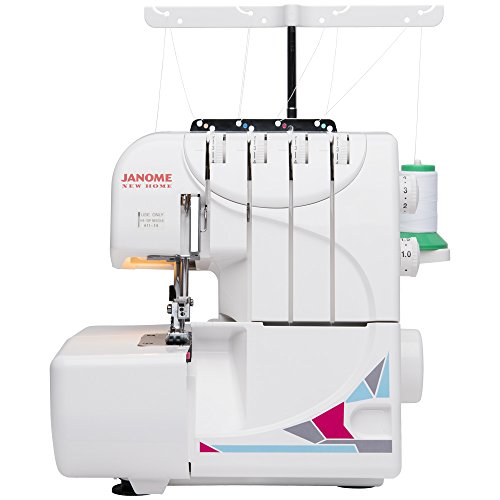
- 3- and 4-thread convertible
- Color-coded lay-in threading
- Differential feed helps avoid puckering
Best For: everyday seam finishing and rolled hems
Singer Heavy-Duty Serger

- Up to 1,300 stitches per minute
- 2-3-4 thread with 6 stitch options
- Metal frame with free arm and differential feed
Best For: heavier fabrics and faster home sewing
Singer Easy-Thread Serger
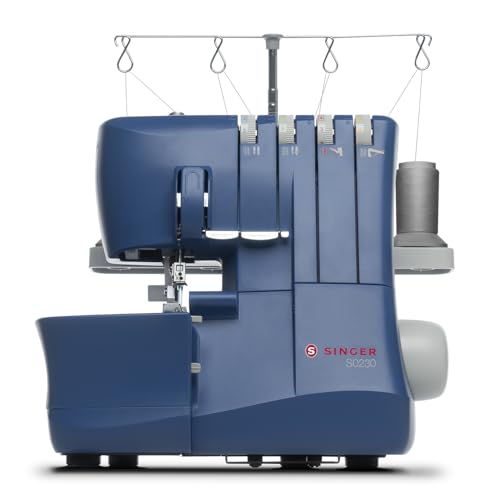
- Color-coded threading for easier setup
- 2/3/4 thread support for garment work
- Differential feed helps keep seams smooth
Best For: garment sewing and everyday seam finishing
Value Serger for Everyday Finishing
SINGER S14-78 Serger with Accessory Kit

- 2-3-4 thread capability for versatile finishes
- Differential feed helps manage light and stretchy fabrics
- Free arm and rolled hem options improve garment work
Best For: Home sewers who want versatile everyday serging with useful finishing controls
Fast Starter Serger
SINGER S0100 High Speed Serger
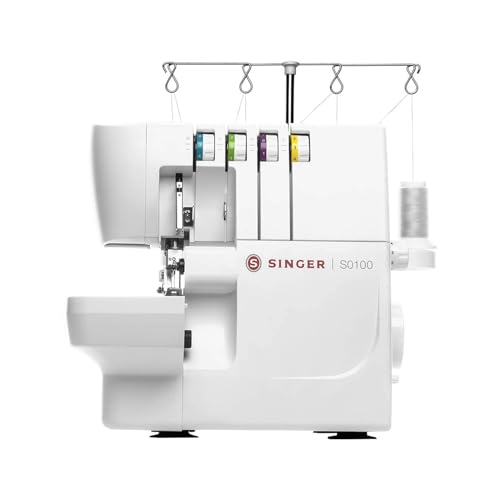
- 1,300 stitches per minute for fast output
- Color-coded threading and pre-threaded setup simplify use
- Differential feed supports smoother seams on tricky fabrics
Best For: Users who want quick setup and fast, reliable everyday serging
Heavy-Duty Serger for Tough Fabrics
SINGER X5004-HD Serger Overlock Machine

- Heavy-duty metal frame improves stability on tough fabrics
- Larger cutting knife is built for thicker materials
- Dual LEDs and built-in storage add everyday convenience
Best For: Sewers working with denim, upholstery, and other heavier fabrics
Reliable Starter Serger – Brother 1034D for Everyday Overlocking
If you want a dependable serger sewing machine for everyday seams, hems, and finishing, the Brother 1034D is a practical place to start. It combines a 3 or 4 thread setup with color-coded threading, a durable metal frame, and speeds up to 1,300 stitches per minute for efficient overlocking on a range of fabrics.
Best For: Sewers who want an easy-to-thread, fast serger for general-purpose garment and home sewing.
Pros:
- Color-coded upper threading and lower looper system help simplify setup
- Metal frame and interior components add durability
- Sews up to 1,300 stitches per minute for faster finishing
- Includes standard, gathering, and blindstitch feet
Cons:
- 3 or 4 thread design is less versatile than higher-capability coverlock models
- Best suited to 120V U.S. use only
- No large extension table is included
Overall, the 1034D stands out as a straightforward, well-equipped serger sewing machine for users who value easy threading and dependable everyday performance. It is a strong fit if you want to move quickly from setup to clean, professional-looking seams.
Feature-Rich Coverlock – SINGER 14T968DC for Flexible Stitching
The SINGER Professional 5 14T968DC is a powerful serger sewing machine for makers who want more stitch options in one unit. Its 2-3-4-5 stitch capability, self-adjusting tension system, differential feed, and 1,300 stitches per minute make it a flexible choice for everything from light fabrics to heavier projects.
Best For: Sewers who want a versatile machine with broad stitch capability and automated tension handling.
Pros:
- 2-3-4-5 stitch capability supports a wide range of techniques
- Fully automatic self-adjusting tension system reduces manual tweaking
- Differential feed helps produce smooth, pucker-free seams
- Includes accessories like a general purpose foot, extra knife, tweezers, and soft dust cover
Cons:
- Heavier than the other sergers listed at 18.6 pounds
- More advanced feature set may be more than casual users need
- No extension table is mentioned in the supplied details
For buyers comparing a serger sewing machine with more stitch flexibility, this SINGER model offers a lot of capability in one package. The automatic tension system is especially appealing if you want cleaner results with less trial and error.
Compact Precision Serger – Juki MO-50E for Clean Finishes
The Juki MO-50E is a compact serger sewing machine built for clean finishing and straightforward operation. With lay-in tensions, an automatic lower looper threader, adjustable differential feed, and a built-in rolled hem, it focuses on the core features many sewists want for tidy seams and hems.
Best For: Sewers who want a simpler serger with helpful threading and hemming features.
Pros:
- Automatic lower looper threader makes setup easier
- Lay-in tension design simplifies threading
- Built-in rolled hem adds finishing flexibility
- Adjustable differential feed helps manage different fabrics
Cons:
- Limited to 3 or 4 thread serging
- No accessory feet are listed in the supplied notes
- Does not offer the wider stitch range of 2-3-4-5 stitch machines
If you prefer a streamlined machine with useful everyday features, the MO-50E is an efficient option. It is a sensible pick for sewists who care more about clean results and easier threading than extra stitch complexity.
Heavy-Duty Workhorse – Brother ST4031HD for Thick Projects
If your serger sewing machine needs to handle tougher jobs, the Brother ST4031HD is built for heavier projects with a strong metal frame and extra hard carbon steel blade. It runs up to 1,300 stitches per minute, includes differential feed, and comes with a large extension table for bigger sewing tasks.
Best For: Sewers tackling heavier fabrics and larger projects who want a sturdy, high-speed serger.
Pros:
- Strong metal frame supports heavy-duty use
- Extra hard carbon steel blade is designed for a smoother cut edge
- Large extension table is included for bigger projects
- Color-coded thread guides and numbered loopers help with threading
Cons:
- 3-4 thread setup is less flexible than 2-3-4-5 stitch machines
- Heavier and larger than compact sergers
- Designed for 120V U.S. use only
The ST4031HD is a strong choice when durability matters more than maximum stitch variety. For a serger sewing machine focused on thick materials, stability, and fast output, it offers a practical balance of power and usability.
Janome Value Serger – Lay-In Threading 3/4 Thread
Janome MOD-8933 Serger with Lay-In Threading, 3 and 4 Thread Convertible with Differential Feed
Check Price On AmazonIf you want a serger sewing machine that keeps setup straightforward, the Janome MOD-8933 focuses on practical features rather than extras. Its lay-in threading system with color-coded guides and adjustable presser foot pressure make it easier to get clean seams, while differential feed helps reduce stretching and puckering on knits and lighter fabrics.
Best For: Sewists who want a simple, dependable serger for everyday seam finishing and rolled hems.
Pros:
- 3- and 4-thread convertible for flexible seam finishing
- Lay-in threading with color-coded thread guides
- Quick-change rolled hem and adjustable presser foot pressure
- Differential feed helps prevent stretching and puckering
Cons:
- No speed figure or heavy-duty motor claims are listed in the notes
- Fewer convenience features than some newer models
Overall, this Janome is a solid pick if you value straightforward threading and reliable overlock basics. It is especially appealing for users who want a practical serger sewing machine without a steep learning curve.
Singer Heavy-Duty Serger – 1300 Stitches per Minute
For shoppers comparing a serger sewing machine for faster, more demanding projects, the SINGER HD0500S stands out with its high-speed output and stronger motor. It combines 2-3-4 thread capability with 6 stitch options, plus easy view threading and a Lower Looper LED to make setup easier to see.
Best For: Sewists who want speed, heavier fabric handling, and a stable metal-frame serger.
Pros:
- Up to 1,300 stitches per minute for fast project turnaround
- 2-3-4 thread setup with 6 stitch options
- Easy View Threading and Lower Looper LED improve visibility
- Metal frame, free arm, and differential feed add versatility
Cons:
- Heavier and larger than compact basic sergers
- Includes more features than some casual users may need
This model is a strong choice if you want a serger sewing machine that can keep up with thicker fabrics and frequent use. The combination of speed, visibility, and accessory support makes it especially practical for confident home sewing.
Singer Easy-Thread Serger – Navy Blue 2/3/4 Thread
If you need a serger sewing machine for garments and everyday finishing, the SINGER S0230 focuses on quick setup and consistent results. Its color-coded threading, 2-3-4 thread capability, and adjustable differential feed are aimed at making seams, rolled hems, and stretch fabrics easier to manage.
Best For: Garment sewing, DIY projects, and users who want a straightforward serger with core essentials.
Pros:
- 2/3/4 thread support for seams, hems, and decorative edges
- Color-coded threading simplifies setup
- Differential feed helps prevent stretching and puckering
- 1300 stitches per minute supports fast finishing work
Cons:
- Feature set is focused on essentials rather than advanced extras
- Notes do not list as many included accessories as some competitors
The S0230 is a practical option if you want a dependable serger for clothing and home projects without overcomplicating the process. It balances speed, threading simplicity, and fabric control in a compact, garment-friendly package.
Value Serger for Everyday Finishing – SINGER S14-78 Serger with Accessory Kit
If you want a serger sewing machine that handles everyday garment finishing, the SINGER S14-78 is built for practical versatility. Its 2-3-4 thread capability, differential feed, free arm, and rolled/narrow hem options give you useful control for seams, edges, and tricky areas like cuffs and sleeves.
Best For: Sewers who want a flexible, general-purpose serger with useful finishing features and included starter accessories.
Pros:
- 2-3-4 thread capability supports seams, decorative edges, and rolled hems.
- Differential feed helps reduce puckering on light fabrics and stretching on knits.
- Free arm makes cuffs and sleeves easier to handle.
- Includes accessory kit with essentials like tweezers, needles, and converter.
Cons:
- Best suited to users who are comfortable with serger setup and threading basics.
- Accessory list is practical, but not as extensive as some heavy-duty bundles.
The S14-78 is a solid choice if you want a straightforward serger sewing machine that covers common finishing jobs without adding unnecessary complexity. It balances flexibility and convenience well for home sewing projects.
Fast Starter Serger – SINGER S0100 High Speed Serger
The SINGER S0100 is a practical serger sewing machine for users who want speed and easier setup. With 2-3-4 thread options, color-coded threading, and pre-threaded convenience, it focuses on getting you sewing faster while still offering the differential feed needed for smoother results on challenging fabrics.
Best For: Sewers who want a fast, approachable serger with simple threading and everyday finishing versatility.
Pros:
- 1,300 stitches per minute helps you finish projects quickly.
- Color-coded threading and pre-threaded setup reduce setup frustration.
- Differential feed helps prevent wavy seams and puckering.
- Includes useful starter accessories stored in the front compartment.
Cons:
- Focuses on speed and ease rather than heavy-duty fabric handling.
- Best for users who value straightforward overlock work over advanced specialty features.
Overall, the S0100 is a strong pick if you want a serger that is quick to get running and efficient for everyday seam finishing. It keeps the learning curve manageable while still delivering core overlock functionality.
Heavy-Duty Serger for Tough Fabrics – SINGER X5004-HD Serger Overlock Machine
If your serger sewing machine needs to handle thicker materials, the SINGER X5004-HD is the most robust option in this group. Its heavy-duty metal frame, larger cutting knife, and 1,300-stitch-per-minute performance are aimed at stable, efficient stitching on demanding fabrics like denim and upholstery.
Best For: Sewers who need a sturdier serger for thicker fabrics and frequent, high-output projects.
Pros:
- Heavy-duty metal frame adds stability and durability.
- Larger cutting knife is designed to trim thick fabrics more easily.
- 2-3-4 thread options and multiple stitch types increase versatility.
- Dual LED lights and built-in storage help with everyday usability.
Cons:
- Heavier build may be less convenient if you want a compact, lightweight machine.
- More specialized toward tougher projects than basic beginner-only needs.
The X5004-HD stands out when durability and cutting power matter most. For sewists who regularly work on heavier fabrics, it offers a more confidence-inspiring serger setup than a lighter general-purpose model.
How We Picked These Serger Sewing Machines
We looked for models that offer a strong mix of ease of use, stitch flexibility, reliable fabric handling, and value. For a Serger Sewing Machine, the most important differences usually come down to threading convenience, thread count, speed, and whether the machine handles lightweight and stretchy fabrics well.
We also favored machines with useful everyday features such as color-coded threading, lay-in tension systems, rolled hem options, differential feed, and sturdy construction. Those details matter more in real sewing than flashy extras.
Quick Comparison
If you want simple beginner-friendly operation, look for straightforward threading and a basic 3/4-thread setup. If you sew frequently or want more finishing options, a model with 2-3-4 or 2-3-4-5 capability gives you more flexibility for different projects. Heavy-duty users should prioritize metal frame construction, higher stitch speed, and a larger accessory set.
Key Buying Factors for a Serger Sewing Machine
Thread Capability and Stitch Options
More thread configurations usually mean more ways to finish seams, reinforce stress points, and create rolled hems or decorative edges. A 2-3-4-thread machine is versatile for most home sewing, while 2-3-4-5-thread models add even more utility.
Threading and Tension Systems
Threading is one of the biggest frustration points for new serger users. Color-coded paths, lay-in tension, and automatic lower looper aids can save time and reduce mistakes. If you are new to overlock machines, these features are worth prioritizing.
Differential Feed and Fabric Control
Differential feed helps prevent wavy seams on knits and puckering on lightweight fabrics. If you sew stretch garments, swimwear, or thin materials, this feature should be near the top of your list.
Speed, Build Quality, and Workspace
Higher stitch speeds are helpful for bulk sewing, but build quality matters just as much. A stable frame, strong motor, and enough workspace can improve consistency and comfort, especially on larger projects.
Who Should Buy Which Serger Sewing Machine?
Beginners usually do best with a simpler, user-friendly Serger Sewing Machine that emphasizes threading clarity and dependable basic stitches. Intermediate sewists may want a machine with better fabric control and more stitch choices. Advanced users, frequent garment makers, and heavy-duty sewists should focus on durable construction, faster speeds, and broader thread capability for maximum flexibility.
In short, choose the machine that matches the fabrics you sew most, the finishing styles you actually use, and how much time you want to spend threading and adjusting.