If you want reliable outage protection without installing a full home battery system, a portable power station can cover the essentials. From routers and phones to CPAP machines, refrigerators, and small appliances, the right unit can keep your household running when the grid goes down.
This roundup focuses on the best portable power station for home backup options in 2026, with a mix of compact UPS-ready models and higher-capacity units for longer outages.
Best 10 Portable Power Station for Home Backup Picks for 2026
Speedy Home Backup
EcoFlow DELTA 2 1024Wh LFP Power Station

- 0-80% in 50 minutes via AC charging
- 1800W output with 15 outlets
- Expandable from 1kWh to 3kWh
Best For: People who want fast charging and expandable home backup power.
Compact UPS Backup
LIBRIDS C600 640Wh LiFePO4 Station

- 10ms UPS switching for outage protection
- 1.5-hour AC fast charge
- 8 ports with 4 AC outlets
Best For: People who need a compact backup for routers, CPAP, and essentials.
Whole-Home Style Backup
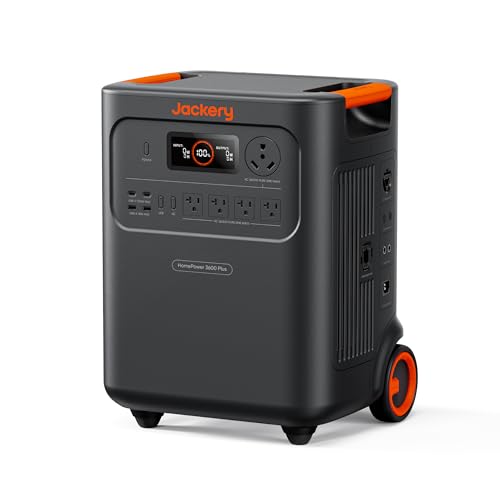
- 3600W output with 7200W in parallel
- 3584Wh capacity expandable to 21kWh
- Plug-and-play design with multiple recharge options
Best For: Homeowners needing high-output backup for longer outages.
Lightweight Emergency Backup
BLUETTI Elite 30 V2 Compact Station

- 9.4-pound compact design
- 10ms UPS for essential devices
- 380W charging reaches 80% in 45 minutes
Best For: People who want a small, fast-charging backup for critical devices.
Home Backup Fast-Charger
EcoFlow DELTA 3 Classic 1024Wh
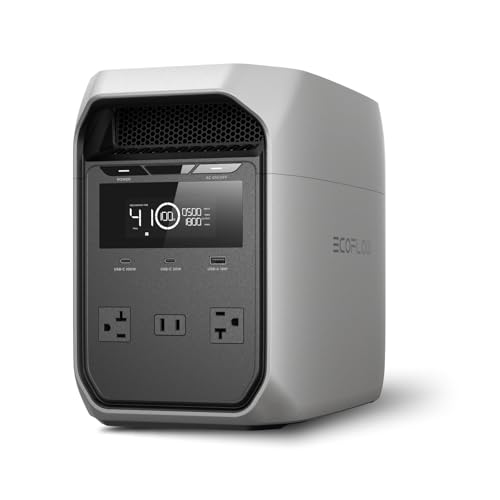
- 1800W output with 3600W surge
- 0–80% recharge in 45 minutes
- <10ms UPS for sensitive electronics
Best For: Fast home backup with quick recharge and UPS support
Fridge-Run Backup Pick
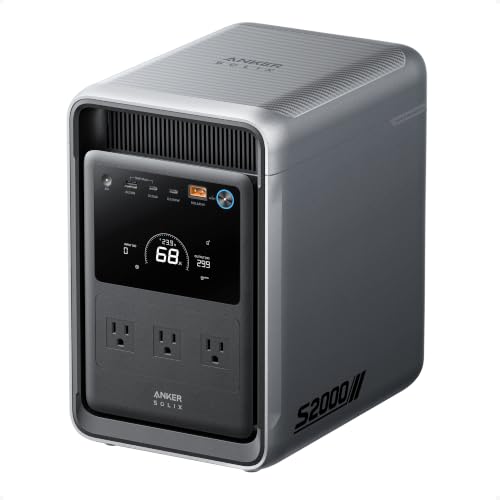
- Up to 35-hour fridge backup
- 2,010Wh LFP battery with 10,000 cycles
- 1,500W output with 8 outlets
Best For: Longer outage runtime and fridge-focused home backup
Compact Backup Choice
Jackery Explorer 1000 v2 1070Wh

- 1,500W output with 3,000W surge
- Lightest at 23.8 pounds
- One-hour emergency charging via app
Best For: Compact, lighter home backup and emergency use
UltraFast Home Backup Pick

- 49-minute full recharge with HyperFlash
- 2,000W output, 3,000W peak, 10 ports
- Under 10 ms UPS backup for essentials
Best For: Fast-charging home backup with compact portability
High-Capacity Quiet Backup Choice

- 2,042Wh capacity with 2,200W output
- 80% charge in 66 minutes on AC
- Under 30dB Silent Charging mode
Best For: Higher-capacity home backup with quiet, dependable operation
Compact Everyday Backup Option

- 288Wh capacity with 300W output
- 80% recharge in 50 minutes
- Eight ports and 25dB quiet operation
Best For: Lightweight backup for small devices and short outages
Speedy Home Backup – EcoFlow DELTA 2 1024Wh LFP Power Station
If you want a portable power station for home backup that can recharge fast and handle a wide range of household gear, the EcoFlow DELTA 2 is built around speed and flexibility. Its 1024Wh LFP battery, 1800W AC output, and 15 outlets make it a practical pick for outages, daily use, and trips where quick top-ups matter.
Best For: Homeowners who want fast charging, strong output, and expandable backup capacity.
Pros:
- 0-80% AC charging in 50 minutes and full charge in about 80 minutes
- 1800W output with 15 outlets can cover many common appliances
- Expandable from 1kWh to 3kWh with extra batteries
- LiFePO4 battery rated for 3000+ cycles and a 5-year service support note
Cons:
- At 27 pounds, it is not the lightest option to move around often
- Solar panel is optional, so off-grid solar setup adds extra cost
The DELTA 2 stands out when you need a home backup unit that is both quick to replenish and broad in what it can power. It is a strong middle-ground choice for users who want more capability than a small backup station without jumping to a full whole-home system.
Compact UPS Backup – LIBRIDS C600 640Wh LiFePO4 Station
The LIBRIDS C600 is a compact portable power station for home backup that leans into outage protection and everyday practicality. With 640Wh of capacity, 600W output, a 10ms UPS switch, and fast charging, it is aimed at keeping essential devices running with minimal interruption.
Best For: Users who need a smaller backup unit for routers, CPAP machines, and essential electronics.
Pros:
- 10ms UPS switch helps keep essential devices powered during outages
- 1.5-hour AC charging gets it ready quickly for emergencies
- 8 output ports, including 4 AC outlets, support multiple devices
- LiFePO4 battery is rated for 4000+ cycles and has a 5-year warranty note
Cons:
- 600W output is best for essentials, not heavier appliances
- Indoor-use safety labeling means you must be careful with weather exposure
This model makes sense if your backup needs are focused on electronics, networking gear, and light household loads. It is not the largest station here, but its UPS behavior and quick recharge time make it a useful outage-ready option.
Whole-Home Style Backup – Jackery HomePower 3600 Plus
If your search for a portable power station for home backup is really about running more of the house, the Jackery HomePower 3600 Plus is the heavy-duty pick in this group. It delivers 3600W output, 3584Wh capacity, and expandability up to 21kWh per unit, so it is aimed at serious outage coverage rather than just keeping a few essentials on.
Best For: Home users who want high-output backup with room to scale for longer outages.
Pros:
- 3600W output and 7200W in parallel support demanding loads
- 3584Wh capacity expands up to 21kWh per unit
- Dual-voltage support and plug-and-play use simplify home backup setup
- Fast recharge options include hybrid AC+DC, AC, solar, and gas generator charging
Cons:
- At 77.16 pounds, it is much heavier than compact portable units
- Its size and capability may be more than casual users need
This is the strongest home-backup option in the lineup if you want high wattage and long runtime potential. The wheeled, telescoping design helps offset the size, but this is still a power station for users who expect to move serious energy around the home.
Lightweight Emergency Backup – BLUETTI Elite 30 V2 Compact Station
The BLUETTI Elite 30 V2 is a lightweight portable power station for home backup when you want something small, fast-charging, and easy to store. Its 288Wh LiFePO4 battery, 600W output, 10ms UPS support, and 9.4-pound weight make it a practical emergency companion for short outages and travel.
Best For: Buyers who want a small backup station for critical devices and quick grab-and-go use.
Pros:
- Only 9.4 pounds, so it is easy to carry during storms or trips
- 10ms UPS helps protect routers, laptops, and CPAP machines
- 380W wall charging can take it to 80% in 45 minutes
- 600W continuous output with 1500W power lifting covers small essentials
Cons:
- 288Wh capacity is limited compared with larger home-backup units
- Best suited to essentials, not high-demand household appliances
The Elite 30 V2 is a smart pick if portability matters more than long runtime. It offers useful backup features in a very compact body, but its smaller capacity means it is best viewed as an emergency support unit rather than a full home-power solution.
Home Backup Fast-Charger – EcoFlow DELTA 3 Classic 1024Wh
If you want a portable power station for home backup that can recover quickly after an outage starts, the EcoFlow DELTA 3 Classic is built around speed and practical everyday loads. Its 1800W AC output, 3600W surge, and under-10ms UPS switching make it a strong fit for keeping essential electronics and appliances running with minimal interruption.
Best For: Homeowners who want fast recharge times, UPS protection, and support for common backup appliances.
Pros:
- 1800W continuous output with 3600W surge helps run refrigerators, microwaves, laptops, and more.
- 0–80% charging in 45 minutes via AC is very useful when you need a quick top-up before or during outages.
- Under-10ms UPS mode helps protect sensitive devices like PCs, servers, and medical equipment.
- LiFePO4 battery cells are rated for 10+ years of daily use, and app control adds backup and charging management.
Cons:
- Solar panel is optional, so off-grid recharging requires a separate purchase.
- At 26.7 pounds, it is portable but not ultra-light.
- Not compatible with DELTA 2 Smart Extra Battery or Delta 3 Series Smart Extra Battery.
Overall, this is a well-rounded option if you value fast charging and dependable backup behavior more than raw battery capacity alone. It strikes a useful balance between home readiness, portability, and modern battery longevity.
Fridge-Run Backup Pick – Anker SOLIX S2000 2010Wh
For a portable power station for home backup focused on longer runtime, the Anker SOLIX S2000 stands out with its 2,010Wh LFP battery and 1,500W continuous output. It is designed to keep essential household loads going, and Anker specifically highlights up to 35 hours of fridge backup, which makes it especially useful during extended outages.
Best For: Households that want extended refrigerator backup and a compact 2kWh-class power station.
Pros:
- Up to 35-hour fridge backup is a major advantage for outage preparedness.
- 2,010Wh LFP battery with 10,000-cycle rating supports long service life.
- 1,500W continuous and 3,000W peak output can power 99% of home essentials, according to the listing.
- Six recharge methods and 8 outlets make it flexible for home, car, and solar use.
Cons:
- No 12V DC port, so some users may miss that connection option.
- At 35.7 pounds, it is still fairly heavy for frequent moving.
- Solar input is capped at 400W, so solar recharge speed depends on panel setup.
This model makes the most sense if your main backup concern is keeping a fridge and other essentials powered for as long as possible. It combines strong capacity, long life, and a compact footprint for the class.
Compact Backup Choice – Jackery Explorer 1000 v2 1070Wh
If you need a portable power station for home backup that is easier to move around the house, the Jackery Explorer 1000 v2 keeps things compact without giving up practical AC power. With a 1,500W output, 3,000W surge, and 1,070Wh LiFePO4 battery, it is aimed at everyday emergency use and shorter-duration backup needs.
Best For: Users who want a lighter, compact backup unit for essential appliances and electronics.
Pros:
- 1,500W AC output and 3,000W surge can handle multiple appliances, including fridges and electric pots.
- At 23.8 pounds with a foldable handle, it is the lightest option in this group.
- One-hour emergency charging is available through the app, with a default 1.7-hour full charge mode.
- Multiple ports, including two USB-C ports and three pure sine wave AC outlets, add versatility.
Cons:
- Battery capacity is lower than the other options here, so runtime may be shorter for larger loads.
- Solar charging works only with Jackery solar panels.
- The one-hour charging mode requires enabling emergency charging in the app each time.
As a home-backup option, this is best when portability matters as much as performance. It gives you strong output in a compact package, making it easier to store, carry, and deploy quickly when needed.
UltraFast Home Backup Pick – Anker SOLIX C1000 Gen 2
If you want a portable power station for home backup that can recover quickly after an outage, the Anker SOLIX C1000 Gen 2 is built around speed and practicality. It offers 1,024Wh of LiFePO4 storage, 2,000W output, and a 10-port layout, making it a solid fit for keeping key household devices online without taking up much space.
Best For: Home backup users who want fast recharging, UPS support, and a compact unit for everyday emergency readiness.
Pros:
- Fully recharges in 49 minutes with 1,600W input when HyperFlash is enabled in the app.
- Delivers 2,000W output with 3,000W peak power and up to 10 devices at once.
- Includes under 10 ms UPS backup for essentials like CPAP machines and laptops.
- Smaller and lighter than similar models, which helps for room-to-room use or RV travel.
Cons:
- Solar recharging depends on adding compatible panels and setup.
- 1,024Wh capacity may be modest if you need to run larger loads for long periods.
Overall, this Anker model stands out for households that value speed, portability, and reliable short-term backup more than sheer battery size. Its combination of rapid AC charging, UPS support, and app-based power management makes it especially appealing for outage prep.
High-Capacity Quiet Backup Choice – Jackery Explorer 2000 v2
The Jackery Explorer 2000 v2 is a strong portable power station for home backup when you want more stored energy and a bigger output ceiling. With 2,042Wh capacity, 2,200W output, and a LiFePO4 battery built for long service life, it is geared toward outages, emergencies, and other situations where you need dependable household backup power.
Best For: Homes that need higher-capacity backup power with quiet operation and seamless switchover for critical devices.
Pros:
- Large 2,042Wh capacity and 2,200W total output support a wide range of backup needs.
- Charges quickly, reaching 80% in 66 minutes with AC fast charging.
- Silent Charging mode can reach full charge in 5 hours at under 30dB.
- 20ms seamless switching and UL1778 certification add confidence for emergency use.
Cons:
- At 39.5 lbs, it is still a substantial unit to move around.
- Solar charging is slower than AC charging and requires separate panels.
This Jackery model is a practical pick for buyers who prioritize capacity, low noise, and backup reliability over ultralight portability. It is especially appealing if you want a quieter home backup solution that can handle essentials without the fuss of a gas generator.
Compact Everyday Backup Option – Anker SOLIX C300
If you need a portable power station for home backup that is easy to carry and simple to store, the Anker SOLIX C300 is the smallest, lightest option in this group. Its 288Wh capacity and 300W output are better suited to charging core electronics and small essentials than running larger household appliances.
Best For: Lightweight backup for phones, laptops, cameras, and other low-power essentials during outages.
Pros:
- Compact build is 15% smaller than similar designs and easy to move or store.
- Offers eight versatile charging ports, including AC outlets, USB-C, USB-A, and a car socket.
- Recharges to 80% in just 50 minutes from a wall outlet.
- Runs quietly at 25dB and supports solar, car, and USB-C recharging.
Cons:
- 300W output and 288Wh capacity limit it to smaller backup loads.
- Not intended for powering high-demand home appliances.
The C300 makes sense when portability and convenience matter more than heavy-duty runtime. For short outages or keeping personal electronics alive, it is a compact and flexible backup tool with fast charging and lots of connection options.
How We Picked the Best Portable Power Station for Home Backup
We focused on home-backup usefulness first: usable battery capacity, AC output, surge handling, fast recharge times, UPS or EPS switchover support, port selection, and expansion potential. We also favored LiFePO4 batteries for longer cycle life and safer everyday storage. For a Portable Power Station for Home Backup, these traits matter more than flashy marketing claims.
Quick Comparison: Which Type Fits Your Home?
Smaller units around 300Wh to 700Wh are best for charging devices, keeping internet equipment online, and handling short outages. Mid-size 1kWh-class models are the sweet spot for most households because they can run a fridge intermittently, power medical devices, and support several essentials at once. Larger 2kWh to 3.5kWh systems are better if you want longer runtime, higher-watt appliances, or a more capable emergency backup setup.
Key Buying Factors for Portable Power Station for Home Backup
Battery Capacity and Runtime
Check watt-hours, not just wattage. Capacity determines how long the station can run your devices. If you need backup for a refrigerator, modem, lights, and charging, aim for at least 1,000Wh. For broader whole-room support, look higher.
Output Wattage and Surge Capacity
Make sure the inverter can handle both continuous and startup loads. Appliances with compressors and motors often need a high surge. A model with 1,500W to 2,200W output will handle more household gear than a 300W or 600W unit.
Recharge Speed and UPS Function
Fast AC charging is valuable before storms and during brief utility returns. If you plan to use the unit as an inline backup, look for UPS or EPS support with low transfer times so sensitive electronics stay powered.
Ports, Expandability, and Portability
Enough AC outlets, USB-C, and DC ports makes the system more flexible. Expandable battery support is helpful if you want to grow from emergency essentials to longer-duration backup without replacing the whole system.
Who Should Buy Which Portable Power Station for Home Backup?
If you only need to keep devices, Wi-Fi, and small electronics online, choose a compact model with fast charging and UPS support. If you want a balanced household backup solution, the 1kWh class is usually the best value. If your goal is longer runtime for refrigerators, medical devices, or multiple circuits of essential loads, step up to the larger-capacity options. For the most demanding backup needs, prioritize the highest-watt output and expandable battery systems.