When the power goes out, the right emergency power station can keep essentials running without the noise, fumes, or hassle of a gas generator. From phones and lights to CPAP machines and refrigerators, these units offer clean backup power when you need it most.
This roundup focuses on practical choices for different homes, budgets, and portability needs, so you can quickly narrow down the best fit for outages, camping, and everyday backup use.
Best 10 Emergency Power Station Picks for 2026
Home Backup Giant
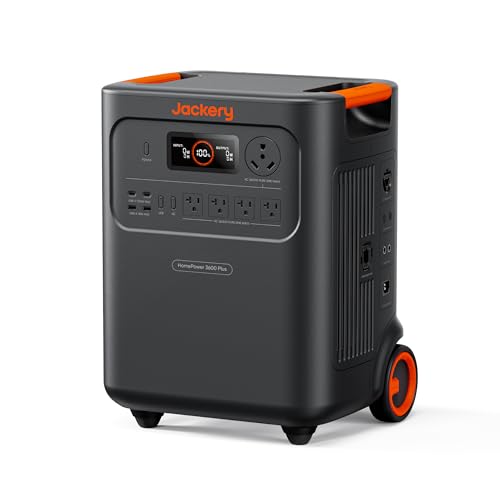
- 3600W output with 7200W parallel support
- 3584Wh capacity expandable up to 21kWh per unit
- Plug-and-play home backup with fast recharge options
Best For: Whole-home emergency backup and large appliances
Compact Emergency Pick
EnginStar 300W Portable Power Station

- 296Wh capacity with 300W output
- Only 6.5 pounds and easy to carry
- Pure sine wave AC with multiple charging methods
Best For: Light emergency backup and portable device charging
Fast-Cycle Backup Choice

- 2042Wh capacity with 2200W output
- 20ms UPS switching for outage backup
- Charges fast and runs quietly under 30dB
Best For: Portable home backup and emergency electronics support
All-in-One Solar Kit
MARBERO 172Wh Generator with Panel

- 172Wh power station with 40W solar panel included
- Multiple AC, USB-A, USB-C, and DC outputs
- Ultra-lightweight for camping and short outages
Best For: Basic solar charging and lightweight emergency use
Emergency Backup Pick
LIBRIDS C600 640Wh LiFePO4 Power Station

- 10ms UPS keeps essentials running during outages
- 640Wh battery with 600W output and 1200W surge
- Full recharge in 1.5 hours with 8 total ports
Best For: Home backup and outage protection for essentials
Ultralight Travel Pick
Jackery Explorer 300 292Wh Portable Power Station

- Only 7.5 lbs with an integrated handle
- 292Wh capacity and 300W output for small devices
- LiFePO4 battery rated for over 4,000 cycles
Best For: Portable backup for travel, camping, and light emergency use
High-Power Fast-Charge Pick
Anker SOLIX C1000 Gen 2 1024Wh Power Station

- 2,000W output with 3,000W peak capacity
- Full recharge in 49 minutes with HyperFlash
- 10 ms UPS and 10-device support
Best For: Higher-power home backup and fast-charging emergency use
Ultra-Fast Emergency Backup

- 1,070Wh LFP battery with 1,500W output
- One-hour emergency charge mode via app
- 23.8 lb build with multiple AC and USB ports
Best For: People who want fast backup power for outages and travel
High-Capacity Home Backup
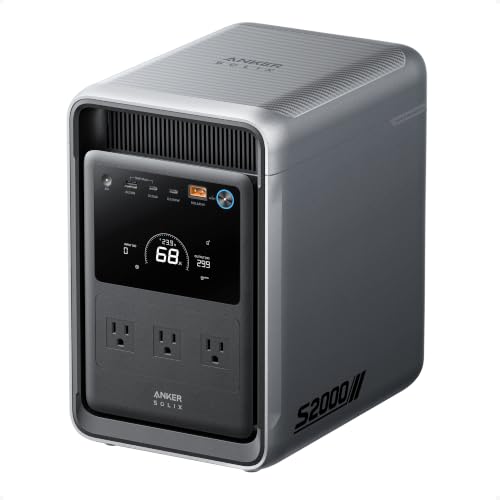
- 2,010Wh LFP battery with 1,500W output
- Up to 35-hour fridge backup runtime
- UPS support with six ways to recharge
Best For: Households that need longer-running backup power for essentials
Compact Travel Emergency

- 288Wh backup battery with 300W output
- 80% recharge in about 50 minutes
- Quiet 25dB operation with 8 charging ports
Best For: Light emergency use, travel, and small electronics
Home Backup Giant – Jackery HomePower 3600 Plus
If you’re shopping for an emergency power station that can handle serious household loads, the Jackery HomePower 3600 Plus is built for that job. With 3600W output, dual-voltage support, and expandable storage, it’s designed to keep essentials running through outages without complicated installation.
Best For: Whole-home backup, heavy appliances, and long outage preparedness.
Pros:
- 3600W AC output with 7200W in parallel for demanding appliances.
- 3584Wh capacity expands up to 21kWh per unit or 43kWh with multiple units.
- Plug-and-play setup with MTS, so it doesn’t require complex installation.
- Four charging options, including 0-100% recharge in 2 hours via hybrid AC+DC.
Cons:
- Large enough that it’s more home-focused than highly portable.
- Solar panel is optional, not included in the base package.
The HomePower 3600 Plus stands out when backup power needs go beyond phones and laptops. If you want a battery station that can support a household through extended outages, its capacity, safety features, and fast recharge options make it a strong emergency-ready choice.
Compact Emergency Pick – EnginStar 300W Portable Power Station
The EnginStar 300W is a practical emergency power station for lighter backup needs, especially when portability matters. Its 296Wh capacity and pure sine wave AC outlets make it a useful option for charging everyday electronics, running a CPAP, or keeping small devices powered during outages.
Best For: Lightweight emergency backup, camping, and charging small electronics.
Pros:
- Very portable at 6.5 pounds with a compact 9 x 5.5 x 7.5-inch footprint.
- Two pure sine wave AC outlets plus multiple USB and DC ports.
- Can be charged from solar, wall power, or a car socket.
- Built-in protection system helps guard against short circuit, overcharging, and overload.
Cons:
- 300W output limits it to small devices and light-duty use.
- Solar panel is not included.
This is a solid low-bulk backup option if you need basic emergency power without a heavy unit. It won’t replace a larger home backup system, but for phones, laptops, CPAP, and similar devices, it covers the essentials well.
Fast-Cycle Backup Choice – Jackery Explorer 2000 v2
The Jackery Explorer 2000 v2 is a strong emergency power station for users who want a balance of capacity, portability, and fast recovery. With 2042Wh of storage, 2200W output, and a 20ms UPS switching time, it’s designed to keep key appliances and electronics running through outages.
Best For: Power outages, portable home backup, and quieter indoor emergency use.
Pros:
- 2042Wh capacity with 2200W output from three AC ports.
- Fast charging: 0-80% in 66 minutes via AC charging.
- 20ms seamless switching and UL1778-certified UPS function.
- Weighs 39.5 pounds and is more compact than typical 2kWh units.
Cons:
- Solar panels are optional and not included.
- Heavier than smaller portable stations.
For buyers who want emergency-ready performance without moving up to a full whole-home system, this model hits a useful middle ground. Its quiet operation, fast recharge, and UPS support make it especially appealing for home backup and sensitive electronics.
All-in-One Solar Kit – MARBERO 172Wh Generator with Panel
The MARBERO solar generator bundle is a compact emergency power station for lighter-duty needs and off-grid trips. Since it includes a 40W solar panel, it’s a practical pick if you want a ready-to-use setup for recharging small devices without having to source a separate panel.
Best For: Camping, short outages, and basic solar-powered charging.
Pros:
- Bundle includes both the 172Wh power station and a 40W foldable solar panel.
- Multiple output types: AC, USB-A, USB-C, and DC.
- Very lightweight at 3.3 pounds for the power station and 2.3 pounds for the panel.
- Solar panel has a 21.5-23.5% conversion rate and built-in smart chip protection.
Cons:
- 200W output keeps it limited to smaller devices.
- Best suited for short-duration use rather than major backup loads.
This kit makes sense if you want a simple starter setup for emergency charging and outdoor use. It is not a high-capacity home backup solution, but the included panel and compact design make it convenient for keeping essentials powered on the go.
Emergency Backup Pick – LIBRIDS C600 640Wh LiFePO4 Power Station
If you want an emergency power station that’s built around outage protection, the LIBRIDS C600 stands out with its 10ms UPS switchover, 640Wh battery, and 600W output. It’s designed to keep essentials like WiFi routers, CPAP machines, and other sensitive electronics running when the power drops.
Best For: Home backup users who want fast UPS support, multiple AC outlets, and a compact LiFePO4 unit for outages and short trips.
Pros:
- 10ms UPS backup helps keep essential devices powered during outages.
- 640Wh capacity with 600W output and 1200W surge support.
- Fast AC charging reaches full in 1.5 hours.
- 8 output ports, including 4 AC outlets, for multiple devices.
Cons:
- 600W running output may be limiting for larger appliances.
- Indoor-use safety warning means it must be kept dry and protected from weather.
Overall, this is a practical emergency power station for buyers who care more about dependable backup behavior than maximum wattage. The LiFePO4 battery, pure sine wave inverter, and 5-year warranty make it a strong long-term pick for outages, home essentials, and occasional camping.
Ultralight Travel Pick – Jackery Explorer 300 292Wh Portable Power Station
For a lighter emergency power station you can carry without much effort, the Jackery Explorer 300 is the most travel-friendly option here. At 7.5 lbs with a 292Wh LiFePO4 battery, it’s built for portable backup power for camping, road trips, and charging smaller essentials when you need a compact setup.
Best For: Hikers, travelers, and campers who want a lightweight power station for phones, laptops, cameras, and other modest loads.
Pros:
- Very light at 7.5 lbs with an integrated handle for easy carrying.
- 292Wh capacity and 300W rated output with 600W surge.
- Six-device support with AC, USB-C, USB-A, and car port outputs.
- LiFePO4 battery offers over 4,000 cycles for long service life.
Cons:
- Lower 300W output is best for smaller electronics, not heavy appliances.
- Solar panel is optional, so full off-grid charging requires extra gear.
This model makes sense if portability matters more than raw capacity. It delivers dependable small-device backup, and its fast solar charging options add flexibility for outdoor use and emergency preparedness.
High-Power Fast-Charge Pick – Anker SOLIX C1000 Gen 2 1024Wh Power Station
If you need an emergency power station with more headroom for bigger household needs, the Anker SOLIX C1000 Gen 2 brings 2,000W output, a 1,024Wh LiFePO4 battery, and extremely fast recharge times. It’s a strong fit for backup planning, camping, and off-grid setups where both power and speed matter.
Best For: Buyers who want higher output for multiple devices, fast recharge speeds, and UPS backup for critical electronics.
Pros:
- 2,000W output with 3,000W peak supports demanding loads better than smaller units.
- Fully recharges in 49 minutes at 1,600W with HyperFlash tech.
- 10 ms UPS switchover helps keep CPAP machines and laptops running.
- 9 outlets and 10-device support make it versatile for home or RV use.
Cons:
- Heavier than compact models at 11.3 kg.
- Best recharge speed depends on using the app-enabled HyperFlash setting.
For shoppers prioritizing performance, this is the most capable emergency power station in the group. The combination of high output, fast AC charging, and solar readiness makes it especially appealing for home backup, remote work, and longer off-grid stays.
Ultra-Fast Emergency Backup – Jackery Explorer 1000 v2
If you want an emergency power station that can be ready quickly and still stay fairly easy to move, the Jackery Explorer 1000 v2 is built for that role. Its 1,070Wh LiFePO4 battery, 1,500W output, and one-hour emergency charging mode make it a strong fit for home backup, camping, and short-term outage coverage.
Best For: Buyers who need a compact, fast-charging backup station for emergencies, RV trips, and portable home use.
Pros:
- 1,500W continuous output with 3,000W surge for appliances like fridges and electric pots
- One-hour emergency charging option through the Jackery app
- Lightweight 23.8 lb design with a foldable handle
- LiFePO4 battery is rated for over 4,000 cycles and long service life
Cons:
- Fastest charging requires enabling emergency charging in the app each time
- Solar charging is limited to Jackery solar panels only
This is a practical pick if speed matters as much as capacity. It combines solid output with flexible ports and smart charging controls, making it especially appealing when you want an emergency power station that is ready before the next outage hits.
High-Capacity Home Backup – Anker SOLIX S2000
The Anker SOLIX S2000 is a strong emergency power station choice if your priority is keeping essential household loads running longer. With 2,010Wh of capacity, 1,500W continuous output, and low idle draw, it is aimed at home backup use where runtime and efficiency matter.
Best For: Homeowners who want a compact 2kWh backup unit for fridges, essentials, and short UPS needs.
Pros:
- Up to 35-hour fridge backup, helped by low idle power draw and improved efficiency
- 2,010Wh LiFePO4 battery with a 10,000-cycle lifespan claim
- 1,500W continuous output and 3,000W peak for most essentials
- Six recharge options, including AC, solar, generator, alternator, and car power
Cons:
- Heavier than smaller portable units at 35.7 lb
- No 12V DC port, so some users may need to adapt their setup
If you want a more home-focused backup solution, this model stands out for runtime and recharge flexibility. Its UPS support and dual-sided outlet layout make it easier to integrate into a house or office setup than a smaller travel-first unit.
Compact Travel Emergency – Anker SOLIX C300
The Anker SOLIX C300 is a compact emergency power station for lighter-duty backup and travel. Its 288Wh capacity and 300W output are best suited to phones, laptops, cameras, drones, and other essentials, while the fast two-way USB-C charging helps it bounce back quickly between uses.
Best For: Campers, travelers, and anyone who wants a small backup unit for essential devices during outages.
Pros:
- Very portable design that is 15% smaller than similar units
- 140W two-way USB-C fast charging with recharge to 80% in about 50 minutes
- Eight ports, including AC outlets, car socket, and multiple USB-C options
- Quiet 25dB operation and LiFePO4 battery rated for 3,000 cycles
Cons:
- 300W output is much lower than larger home-backup stations
- Solar panel compatibility is limited to recommended Anker panels
This is the most portable option in the group, but it is also the least powerful. For light emergency use, it makes sense because it charges quickly, stays quiet, and covers everyday electronics without adding much bulk.
How We Picked These Emergency Power Station Options
We looked for a strong mix of battery capacity, AC output, charging speed, port selection, portability, and UPS or home-backup features. We also favored LiFePO4 models for longer cycle life and better long-term value. The goal was to cover everything from compact grab-and-go units to larger Emergency Power Station systems that can support more demanding household loads.
Quick Comparison: Which Size Makes Sense?
Small units in the 200Wh to 300Wh range are best for phones, tablets, lamps, Wi-Fi gear, and short outings. Mid-size options around 600Wh to 1,100Wh are the sweet spot for most users because they can handle laptops, fans, CPAP devices, and longer outage coverage. Larger models around 2,000Wh and above are better for refrigerators, multiple devices, and more serious home backup needs.
Key Buying Factors for an Emergency Power Station
Battery Capacity and Runtime
Match watt-hours to the devices you actually want to run. If you need only light backup, a smaller battery is easier to carry and cheaper to buy. If you want meaningful outage protection, prioritize capacity first, then check real-world runtime estimates for your essential appliances.
Output and Surge Headroom
Make sure the inverter can handle both continuous wattage and startup surges. Appliances with compressors, pumps, or motors may briefly draw more power than their running rating. A higher-output Emergency Power Station gives you more flexibility and fewer shutdowns under load.
Charging Speed and Recharging Options
Fast AC charging matters when outages are short or unpredictable. Solar input is useful for extended emergencies, while car charging adds flexibility during travel or evacuations. If you want near-immediate readiness, look for models that recharge from empty in under two hours.
Ports, UPS, and Usability
Consider how many AC outlets, USB-C ports, and DC outputs you need at once. If you plan to protect a desktop, modem, or medical device, UPS support and fast switchover times are important. Clear displays, app control, and manageable weight also improve daily use.
Who Should Buy Which Emergency Power Station?
Buy a compact model if you want a lightweight backup for camping, travel, or charging essentials during short outages. Choose a mid-size unit if you need a versatile Emergency Power Station for apartment backup, CPAP use, or work-from-home protection. Go with a high-capacity option if your priority is home resilience, refrigeration, or extended outage coverage with less compromise.
In short, the best choice depends on whether you value portability, runtime, or whole-home style backup most. If you balance those three needs against your budget, you’ll end up with a unit that feels useful long after the first blackout.