Upgrading to a smart electrical panel can make it easier to monitor energy use, automate loads, and manage essential circuits from one place.
Whether you want whole-home visibility, solar compatibility, or simple in-wall control, the right setup depends on your electrical needs and your smart home ecosystem.
Best 10 Smart Electrical Panel Picks for 2026
Backup Control Hub

- Controls 6 remote circuits
- Auto-sheds non-essential loads
- Under 20 ms switching
Best For: EcoFlow backup users wanting automatic circuit control
Traditional Load Center

- 42 spaces and 42 circuits
- Wires at rough-in without breakers
- Door sold separately
Best For: Large-capacity standard electrical installations
Wall-Mounted Control Display

- 4.7-inch smart control screen
- Zigbee gateway with app ecosystem support
- Shows energy, cameras, and security scenes
Best For: Smart home dashboards with security and device control
Energy Monitoring Module
Emporia Vue 3 Whole Home Monitor
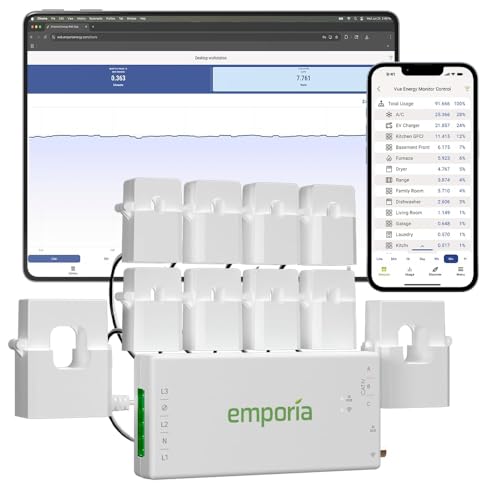
- UL Listed whole-home monitoring
- Clamp-on sensors for panel install
- Tracks solar and net metering
Best For: Detailed home energy monitoring and solar tracking
Smart Hub Touchscreen

- Works with many Smart Life devices
- Built-in Alexa and Zigbee gateway
- 5-inch full-touch wall screen
Best For: Smart Life users wanting an all-in-one wall controller
Energy Monitor Panel
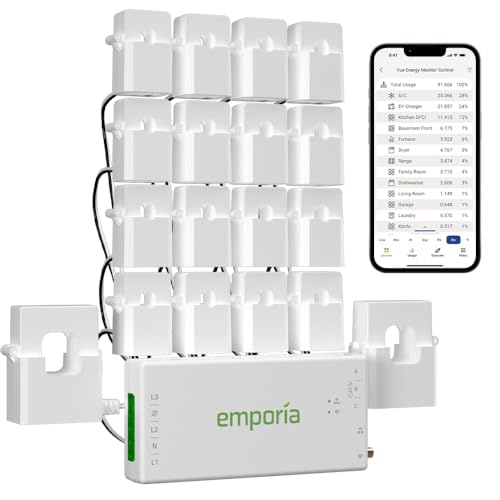
- UL Listed whole-home energy monitoring
- 16 branch sensors included
- Tracks solar and net metering
Best For: Detailed circuit and appliance energy monitoring
Scene Control Wall Panel
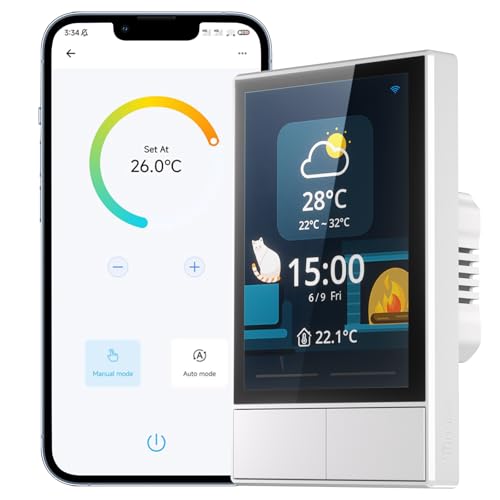
- Scene modes and grouped device control
- Built-in thermostat functionality
- Touchscreen plus app and voice control
Best For: Wall-mounted control with temperature and scene management
Local Energy Monitoring
Refoss Smart Home Energy Monitor

- Local Web UI, Open API, and MQTT control
- Native Home Assistant support out of the box
- Solar surplus automation for better self-consumption
Best For: Private, local energy monitoring with automation
All-in-One Control Hub

- 4.7-inch touchscreen smart home control panel
- Energy use viewing plus camera and thermostat control
- Works as a Zigbee gateway with broad ecosystem support
Best For: Wall-mounted smart home control with light energy monitoring
Circuit-Level Bill Tracking
SEM-Meter Smart Home Energy Monitor

- 16 sensors for circuit-by-circuit monitoring
- Tariff templates calculate peak and off-peak costs
- Can run locally with MQTT and Home Assistant
Best For: Rental and shared housing electricity allocation
Backup Control Hub – EcoFlow Smart Gateway 200A
If you’re shopping for a smart electrical panel setup that can coordinate backup power automatically, the EcoFlow Smart Gateway is built around control and speed. It manages six remote-control circuits and can shed non-essential loads automatically, which helps keep supported systems running smoothly during an outage.
Best For: Homeowners using EcoFlow DELTA Pro Ultra X who want automatic backup circuit control.
Pros:
- Controls 6 circuits for selective backup management.
- Automatically sheds non-essential loads to preserve power.
- Switches in under 20 ms for fast transfer behavior.
- Compatible with DELTA Pro Ultra X, solar, EV chargers, and generators.
Cons:
- Single-phase design may not fit every electrical setup.
- Built as a control gateway, not a full service panel replacement.
This is a focused add-on for people who want smarter backup switching rather than a general-purpose load center. If your priority is automatic load management tied to EcoFlow equipment, it offers the right kind of circuit-level control.
Traditional Load Center – Leviton 42 Space 200A Panel
Leviton LP420-BPD 42 Space, 42 Circuit Indoor Load Center with 200 Amp Main Circuit Breaker
Check Price On AmazonFor buyers comparing a smart electrical panel concept with a conventional distribution option, the Leviton LP420-BPD is a straightforward 200 amp load center with 42 spaces and 42 circuits. It focuses on clean installation and reliable wiring organization rather than app-based control or energy monitoring.
Best For: Electricians and homeowners who need a large indoor load center for a standard electrical build.
Pros:
- 42-space, 42-circuit indoor load center with a 200 amp main breaker.
- Can be wired at rough-in without circuit breakers present.
- Tin plated copper bussing supports strong conductivity.
- Stamped notches help keep cable routing neat and secure.
Cons:
- Door is sold separately.
- No smart features such as monitoring, automation, or remote control.
This panel is best viewed as a dependable foundation for standard electrical distribution. If you want a large-capacity indoor load center with a modern finish and installer-friendly layout, it is a practical choice.
Wall-Mounted Control Display – SONOFF NSPanel Pro 120
The SONOFF NSPanel Pro 120 is a compact smart electrical panel-style control screen for managing connected devices from one place. Its 4.7-inch display brings together lighting, thermostat control, energy stats, camera viewing, and security scenes, making it more of a home command center than a power distribution panel.
Best For: Smart home users who want an all-in-one wall control panel with security and energy visibility.
Pros:
- 4.7-inch screen provides a larger, easy-to-use control view.
- Supports Zigbee gateway functions and works with Alexa, Google, Apple, and Home Assistant.
- Can show live camera feeds from supported camera types.
- Includes home security modes, alarms, and energy usage tracking.
Cons:
- It is a control interface, not a circuit load center.
- Requires compatible smart devices to get the full benefit.
This is a good fit if you want a mounted dashboard for daily smart home control. It is especially appealing when security scenes, live viewing, and quick access to device controls matter more than panel capacity.
Energy Monitoring Module – Emporia Vue 3 Whole Home Monitor
The Emporia Vue 3 is a smart electrical panel companion for homeowners who want real-time visibility into electricity use rather than switching circuits. It installs inside most circuit panels with clamp-on sensors and tracks home energy, solar production, and net metering through the app.
Best For: Homeowners who want detailed whole-home energy monitoring with UL-listed safety certification.
Pros:
- UL Listed for safety and reliability.
- Installs in most panels with clamp-on sensors.
- Monitors real-time electricity use, solar, and net metering.
- App supports automation, usage alerts, and cost-saving tracking.
Cons:
- Requires 2.4 GHz Wi‑Fi and internet access.
- Designed for monitoring, not circuit switching or load control.
This is a strong choice if your main goal is understanding where power is going and spotting savings opportunities. It offers useful data for households that want monitoring first and control second.
Smart Hub Touchscreen – MOES 1-Switch Control Panel
If you want a smart electrical panel-style controller that centralizes everyday smart home tasks, this MOES touchscreen panel is built for easy, in-wall control. It works with Smart Life devices like switches, bulbs, sockets, cameras, and locks, while also adding Alexa voice control and a built-in Zigbee gateway for more localized management.
Best For: Homes already using Smart Life devices that want an all-in-one wall controller with touchscreen and voice access.
Pros:
- Compatible with a wide range of Smart Life devices, including lights, sockets, cameras, and door locks.
- Built-in Alexa lets you control devices and scenes hands-free.
- Integrated Zigbee gateway reduces the need for a separate hub.
- 5-inch full touchscreen offers quick, centralized control.
Cons:
- Designed around the Smart Life ecosystem, so compatibility is more focused than universal.
- Installation requires wired or wireless network setup and power connection planning.
Overall, this is a practical wall-mounted smart electrical panel option if you want a simple command center for compatible devices and scenes. Its strength is convenience: touchscreen control, voice support, and gateway functionality in one unit.
Energy Monitor Panel – Emporia Vue 3 Home Monitor
For shoppers comparing a smart electrical panel add-on that focuses on usage data rather than device control, the Emporia Vue 3 is a strong energy-monitoring choice. It installs in your circuit panel with clamp-on sensors, tracks whole-home and branch circuits, and supports real-time monitoring through the app so you can spot energy use patterns and savings opportunities.
Best For: Homeowners who want detailed, UL-listed energy monitoring for circuits, appliances, and solar/net metering.
Pros:
- UL Listed and CE Listed for safety reassurance.
- Includes sixteen branch sensors for appliance-level monitoring.
- Supports solar and net metering plus automation in the app.
- Reports real-time energy data with app, web, and mobile access.
Cons:
- Requires 2.4 GHz Wi-Fi with an internet connection.
- Installation happens inside the circuit panel, so it is more technical than a plug-in device.
This is best viewed as a monitoring-first smart electrical panel solution. If your priority is understanding where electricity is going and using that information to manage costs, Vue 3 offers a lot of insight in a compact system.
Scene Control Wall Panel – SONOFF NSPanel 2-Switch
This SONOFF panel is a strong pick if you want a smart electrical panel that doubles as a scene controller and thermostat-style wall interface. It combines dual-channel switch control, touchscreen operation, weather and time info, and compatibility with SONOFF devices plus major voice assistants for centralized home management.
Best For: Users who want wall-mounted scene control with temperature features and voice assistant support.
Pros:
- All-in-one control center for scene modes and grouped SONOFF devices.
- Built-in thermostat functionality supports temperature scheduling.
- Works with touchscreen, app, remote, and voice control.
- Shows weather, time, date, and indoor/outdoor temperature information.
Cons:
- Not compatible with SmartThings devices.
- Requires 2.4 GHz Wi-Fi and eWeLink app setup.
For buyers who want a wall-mounted interface that blends switch control with scene automation, this panel does a lot in one place. Its thermostat features and status display make it more versatile than a basic smart switch panel.
Local Energy Monitoring – Refoss Smart Home Energy Monitor
If you’re comparing a smart electrical panel-style monitor for whole-home and circuit-level insight, the Refoss Smart Home Energy Monitor stands out for local control. It works without cloud dependency, gives real-time electricity usage data, and fits setups that want privacy, Home Assistant support, and solar net metering automation.
Best For: Homeowners who want private, local energy monitoring with Home Assistant and solar automation.
Pros:
- Built-in Web UI, Open API, and MQTT support for local access
- Native Home Assistant integration with no firmware flashing required
- Supports solar surplus automation to reduce feed-in and improve self-consumption
- ETL certified with clamp-on installation and circuit-level monitoring
Cons:
- Requires installation in the electrical panel
- Best value comes from smart-home and automation use cases
This is a strong pick if you want a smart electrical panel monitor that keeps data in your home network and adds practical automation. The long-term history, alerts, and support for major appliances make it more than just a live tracker.
All-in-One Control Hub – SONOFF NSPanel Pro 120
The SONOFF NSPanel Pro 120 is closer to a smart electrical panel control center than a dedicated energy meter. Its 4.7-inch touchscreen lets you view energy use, check cameras, adjust thermostat settings, manage lighting, and even browse webpages from one wall-mounted panel.
Best For: Buyers who want a touchscreen smart home dashboard with energy monitoring and security features.
Pros:
- Large 4.7-inch display for at-a-glance control
- Shows energy use and can track devices with energy statistics
- Supports live camera viewing for home monitoring
- Works as a Zigbee gateway and integrates with major smart home platforms
Cons:
- Energy tracking is limited to devices that report statistics
- More of a control panel than a full circuit monitoring solution
If your goal is a wall-mounted command center, this panel does a lot in one device. It is best for convenient smart home control, while energy monitoring remains a secondary feature rather than the main attraction.
Circuit-Level Bill Tracking – SEM-Meter Smart Home Energy Monitor
For shoppers looking at a smart electrical panel solution for detailed usage tracking, the SEM-Meter focuses on circuit-level monitoring and electricity cost allocation. It supports 16 branch sensors, real-time data, and tariff-based billing calculations, making it a practical fit for homes, rentals, and shared spaces.
Best For: Rental homes, shared apartments, and properties that need circuit-by-circuit electricity cost tracking.
Pros:
- 16 sensor circuit-level monitoring for rooms and major appliances
- Supports peak, off-peak, and holiday rate templates for cost calculation
- Works with Home Assistant and can run LAN-only with MQTT
- Tracks real-time usage with 1% accuracy and exportable history
Cons:
- LAN-only and cloud-free mode requires MQTT and Home Assistant
- Installation still involves working in the electrical panel
This model is especially useful when you need to see not just how much power is being used, but what each circuit costs. For property managers or households with separate billing needs, it brings clear financial visibility to energy monitoring.
How We Picked the Best Smart Electrical Panel
We focused on products that solve real homeowner problems: better energy visibility, easier load control, strong ecosystem compatibility, and practical installation considerations. We also looked at whether a product functions as a true panel-level upgrade, a monitoring solution, or a smart wall control that complements an existing electrical setup.
Quick Comparison
Some options are designed for whole-home energy management, while others are better for room-level control or monitoring specific circuits. If you need solar integration, EV charging support, or backup-load management, prioritize panel-oriented systems. If your goal is usage tracking and automation without replacing the electrical panel, a monitor or smart wall controller may be the better fit.
Key Buying Factors for a Smart Electrical Panel
Compatibility with Your Home System
Check whether the product works with your current home automation platform, voice assistant, or energy equipment. Compatibility with Zigbee, Wi-Fi, Alexa, Google Home, or local APIs can make a big difference in long-term flexibility.
Monitoring Depth
Not every Smart Electrical Panel offers the same level of insight. Some provide whole-home totals, while others track individual circuits or selected loads. Choose based on whether you need broad visibility or detailed circuit-level reporting.
Load Control and Expansion
If you plan to manage high-demand devices such as EV chargers, HVAC equipment, or backup circuits, confirm the panel or controller supports the required amperage and number of controlled circuits. Expansion potential matters if you expect your energy needs to grow.
Installation and Electrical Fit
Panel upgrades often require professional installation and may need specific enclosure sizes, breaker capacities, or service ratings. For retrofit monitoring devices, verify sensor count, clamp compatibility, and whether the hardware fits your main panel layout.
Who Should Buy Which Smart Electrical Panel?
Homeowners wanting full-home control and advanced energy management should look at panel-centric systems. Buyers who mainly want real-time usage data and cost tracking may be better served by a monitor with circuit-level sensors. If you want smart scenes, touchscreen control, or easy room-based automation, a smart wall panel may be the most practical choice.
For the best results, match the product to your goals rather than chasing the most features. The right Smart Electrical Panel setup should simplify energy decisions, fit your home’s wiring, and work reliably with the devices you already use.